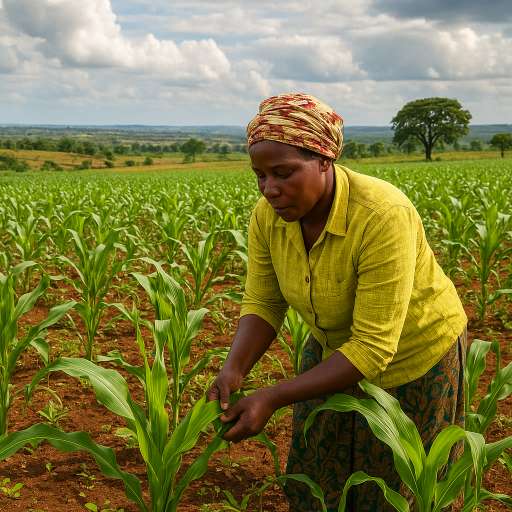
Why is Africa importing grains and foods despite having vast lands, favorable climates, and millions of energetic young people? This question cuts deep into the continent’s economic and social reality.
Africa is rich in agricultural potential, yet it continues to depend on food imports from other regions. To change this narrative, African nations must urgently invest in farming—both as a business and as a strategy for self-sufficiency.
The Paradox of Abundance
It may sound ironic that a continent blessed with fertile soil and sunlight all year round is still struggling to feed itself. Why is Africa importing grains and foods when countries like Nigeria, Ghana, and Kenya have millions of hectares of arable land? The answer lies in underinvestment, outdated farming methods, and lack of access to modern tools.
For decades, agriculture was seen as a poor man’s job, not a strategic industry. This mindset has weakened the backbone of Africa’s food security.
The Cost of Import Dependence
Every year, African countries spend billions of dollars importing wheat, rice, corn, and processed foods. Why is Africa importing grains and foods at such a massive scale when it could easily grow most of them locally? This heavy reliance on imports drains foreign reserves and creates a cycle of dependency.
It also exposes Africa to global price shocks — when war, drought, or trade restrictions hit major exporting nations, African markets suffer first. Investing in local farming would not only feed the continent but also stabilize national economies.
The Potential in Local Farming
From Nigeria’s Middle Belt to Ethiopia’s highlands, Africa’s land has unmatched potential for grain and vegetable production. Why is Africa importing grains and foods instead of investing in irrigation, storage facilities, and agricultural research?
With modern technology—like drip irrigation, high-yield seeds, and mechanized equipment—African farmers could multiply their output several times over. This would reduce imports, create jobs, and strengthen local currencies.
Empowering the Youth Through Agriculture
Africa’s youth unemployment problem could be turned into an opportunity through farming. Why is Africa importing grains and foods while millions of young people remain jobless?
Farming can be made attractive again by introducing agritech—farming apps, drone monitoring, and data-driven planting techniques. With access to credit and mentorship, the youth can transform agriculture into a profitable career, not just a survival strategy.
Building Processing and Storage Systems
A major reason why is Africa importing grains and foods lies in poor post-harvest management. Farmers often lose up to 40% of their produce due to lack of proper storage, drying, and processing facilities.
Instead of selling raw grains cheaply, Africa should focus on processing them locally into flour, cereal, and animal feed. This creates value-added industries, boosts employment, and ensures food security even in off-seasons.
Learning from Success Stories
Countries like Rwanda and Morocco have shown that with the right policies and investment, agriculture can become the heart of national growth.
So again, why is Africa importing grains and foods when it has successful models within its borders? With commitment, good governance, and regional collaboration, the entire continent can replicate these results.
A Vision for the Future
The question why is Africa importing grains and foods should no longer be rhetorical—it should spark action. Governments must create farmer-friendly policies, reduce import dependency, and encourage public-private partnerships. When Africa begins to value its soil as much as its oil, true prosperity will begin.
Upwardhabbits Conclusion
Why is Africa importing grains and foods in the 21st century when it has all the tools for self-reliance? The answer is not a lack of potential but a lack of priority.
Investing in farming is the only way to secure Africa’s future, ensure food sufficiency, and empower its people. The time to act is now—because a continent that can feed itself can also lead itself.
Also check out our comprehensive post on how to learn forex trading in Nigeria
For 👉 best broker in town